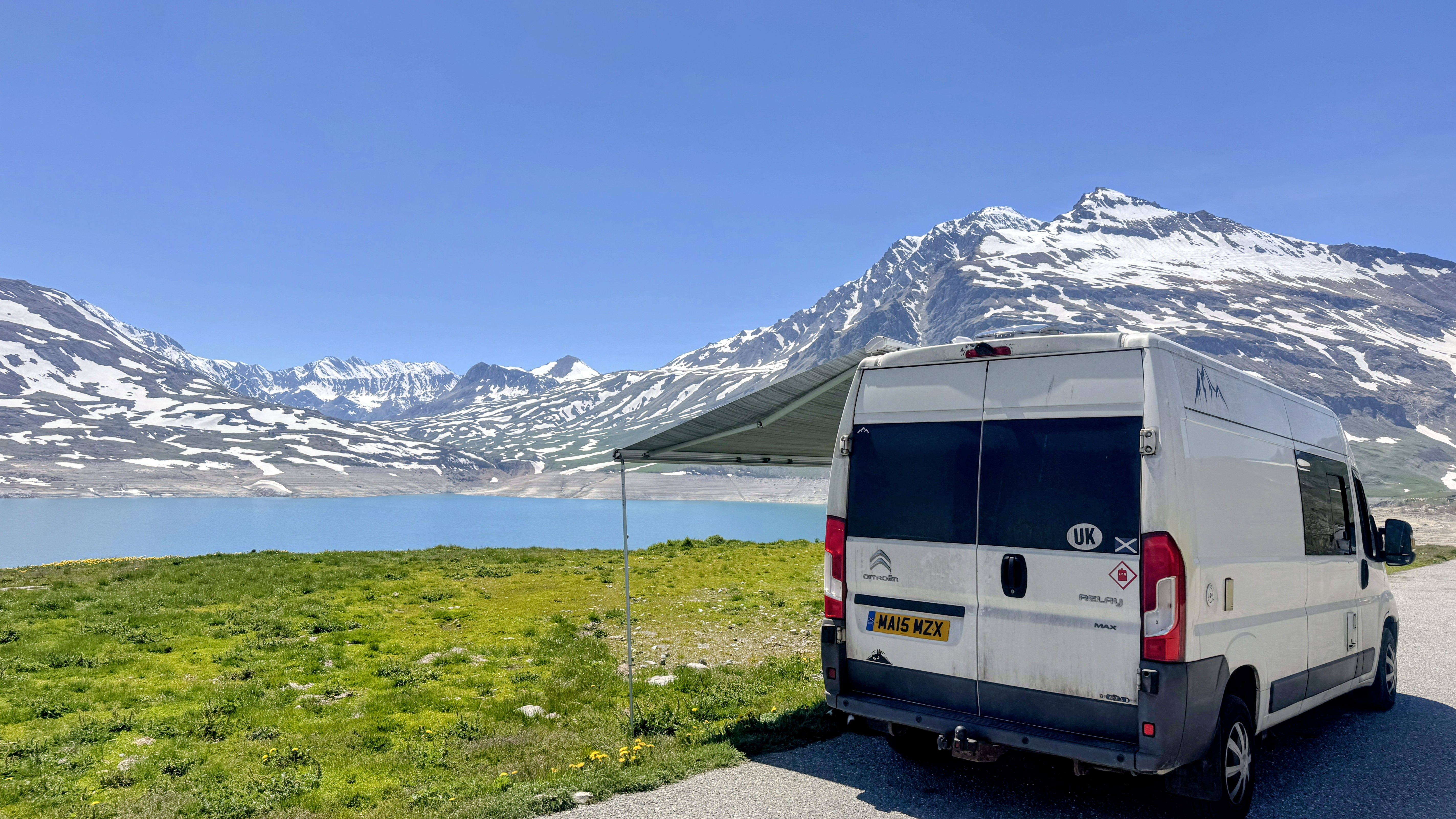
Taking your Campervan to France: Everything you Need to Know for your First Trip
In May 2026, we set off on a huge adventure, taking a year away from work to travel through Europe, the Balkans and Morocco. Not only was this a big trip, but it was also our first time taking our campervan abroad!
So we want to share what we wish we’d known before taking our campervan to France for the first time, to save you from guessing! This blog documents what I feel is useful information for you to do the same! We’ll cover:
- Season
- Overnight stays
- Fresh water, grey water and black water
- Toilets and showers
- Tolls and driving
- Shopping
- Bins
- Gas
If you’re more of a video-type person, please check out the video version of the blog.
What you Need to Know to take your Campervan to France
What Season did we Visit in and Where?
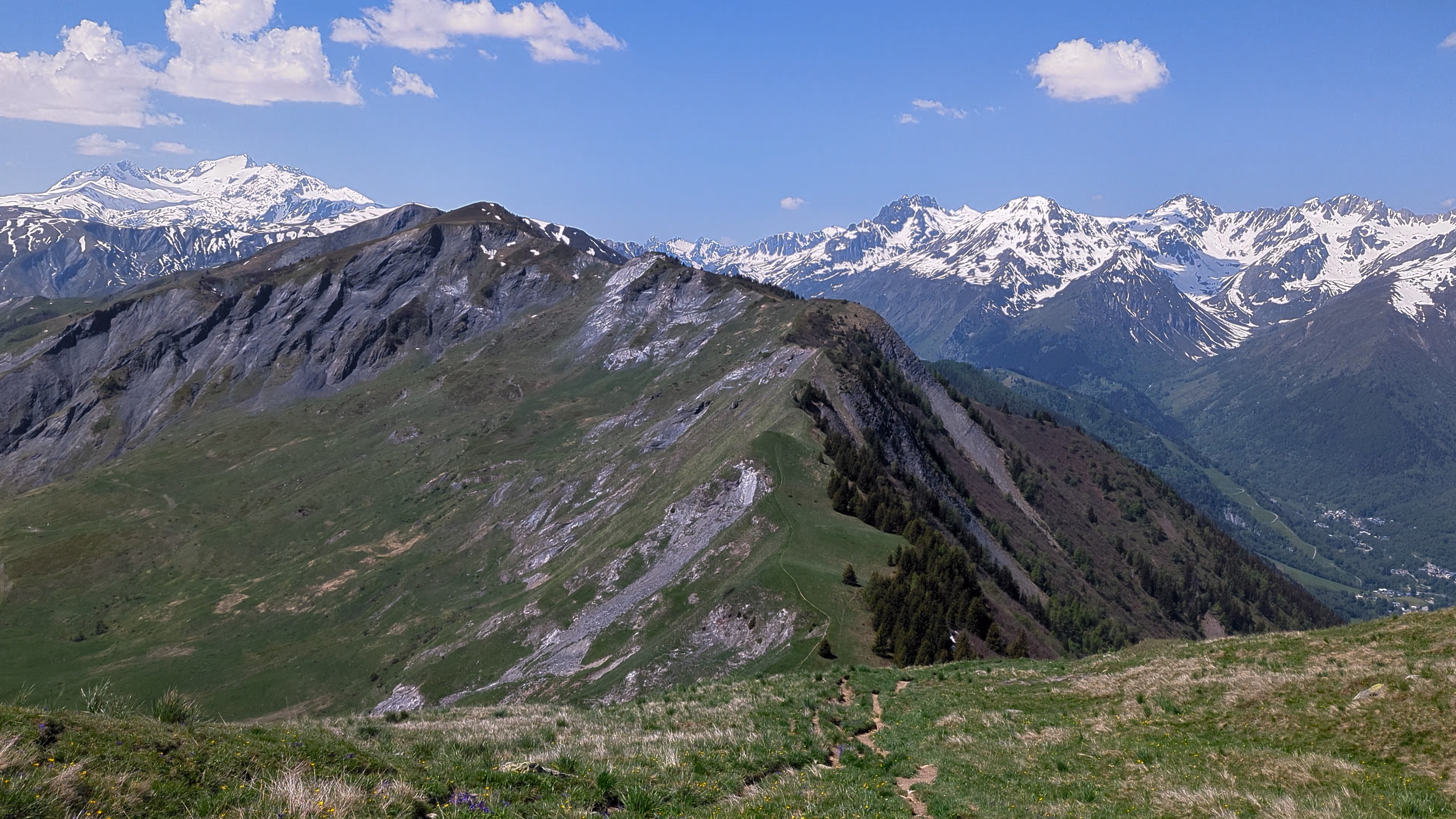
To set the scene, I want to start with the season. The majority of our time in France was in May in the French Alps; however, we did visit Annecy for two nights in June. May in the French Alps is still on the cooler side at the start of the month, with temperatures around 12°C–15°C in the day-time. Don’t let this put you off! The cooler temperatures make for great hiking conditions and peaceful walks with great scenery.
By the back end of the month, temperatures were picking up, and even in areas like Chamonix, which sits around 1,000m in altitude, the temperature was starting to reach over 20°C. There is still some unmelted snow, even on the lower-altitude mountains, however.
How we Found Overnight Stays
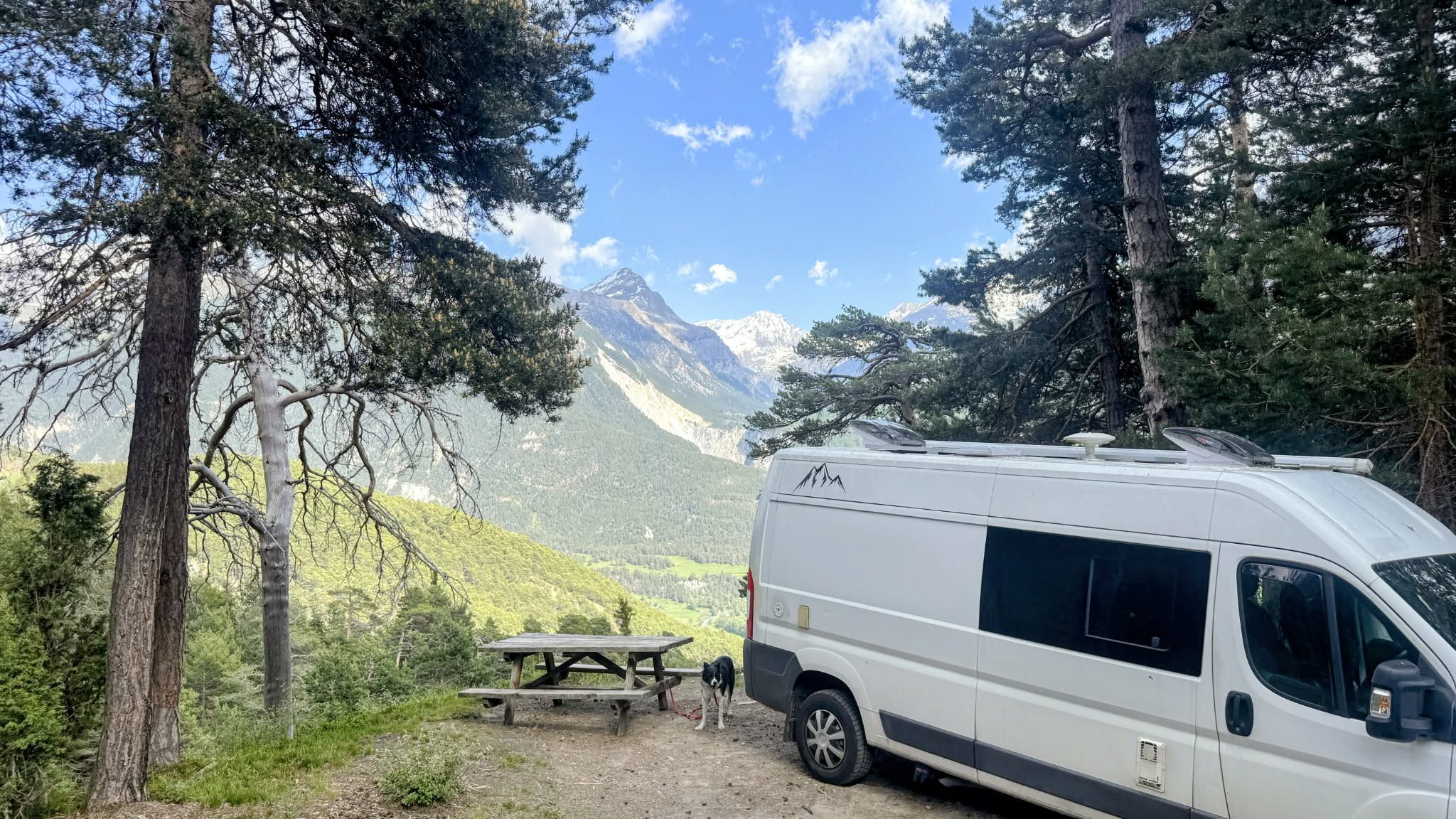
Before we start, I will reiterate the Leave No Trace rule. This is fundamental to the relationship between campervans and local communities. We must respect the local area, stay quiet, keep light pollution to a minimum and not park near anyone’s property. If, as a community, we continue to be respectful, we will be able to continue visiting these amazing areas.
We found overnight parking in France incredibly easy. France has aires, which are essentially large car-parking areas, usually gravel or asphalt, dotted around. Some are free, some are paid, and these spots are great for overnight parking.
Outside of the aires, we also found overnight stays very easy to find. Using Park4Night, there was a range of spots in the Alps and even some on the outskirts of cities like Dijon. The spots were often gravel parking areas on quiet streets or car parks with no overnight-parking restrictions listed. We had very little disturbance.
How Easy was Collecting Fresh Water and Disposing of Grey Water and Black Water
We found it very easy to find water facilities in France. A lot of the aires have these services, sometimes free and sometimes paid, and some of the campsites offer these services as well, again sometimes free and sometimes paid. Fresh water was the easiest to find, as France has a lot of fresh-water taps around. They are not always suitable for filling up your van tank, but they at least ensure you can fill your bottles.
France doesn’t use the push-fit tap system as standard, like we have in the UK, so ensure you buy an adapter before your trip. I’d recommend two types of adapters: a screw fit and a rubber push fit, as this will allow you to utilise more types of water fountains.
Could we Find Toilets and Showers?
We have a toilet and shower in our van, so this is not a high priority for us. However, I understand that for some vans it is needed. Toilets in the French Alps were fairly available, especially in ski areas or car parks. They are generally very clean and well maintained. There is often a lack of a toilet seat in older-style toilets, and they are often missing toilet rolls, so keep a few tissues in your pocket.
Showers were not as easy to find. We didn’t find any public showers and often did have to use the van shower. A useful tip would be to look for showers which you can combine with an activity you enjoy. For example, we will sometimes pay to go indoor climbing and then use the showers provided. This also works with gyms, swimming pools, saunas, etc.
Or go full van lifestyle and embrace cold dips in rivers and lakes more often! We have bought a couple of flannels to help with sink showers too.
What is Driving in France Like?
Driving in France was generally good; we did not find the driving rules or culture to be much different from those in the UK. The roads were generally in good condition and well signposted.
In the French Alps, the roads are quite steep, with tight bends. The bends are generally fine for motorhomes and campervans, but expect buses and lorries to need extra space on the tightest sections. If you’re visiting in the summer months, it is also worth getting comfortable with engine braking, as the steep roads combined with high temperatures can lead to your brakes overheating.
If you’re visiting in the winter months, expect some roads to be closed. Some will not reopen until late May, so ensure you have the correct tyres or snow chains for the area.
Be aware that you are required to carry high-visibility jackets, which must be within reach of the driver, and a hazard warning triangle in your car. You will also need a UK sticker and headlamp beam deflectors (for UK vehicle driving on the right). These requirements can change, so make sure you check the current rules before setting off.
How Expensive are the Tolls?
Tolls are expensive in France; this has been our biggest surprise! Tolls around popular areas like Lake Annecy are especially expensive. Apps like Waze calculate the appropriate toll costs for your journey. However, be aware that the toll costs shown are generally for cars, not vans, so expect the price to be higher. We often found it to be around 30% higher.
I’d highly recommend using an app that offers this feature when in France, so you can assess all of the options. Sometimes there is a smaller local road which does not add on a lot of time but saves you a lot of money.
Tunnels can be incredibly expensive, so watch out for these! Tunnels like the Fréjus and Mont Blanc Tunnels cost around €80 for a van one way! Again, by using an app that shows the cost of tunnels, you can assess your options.
What are Shops Like?
We found shopping to be slightly more expensive than in the UK, but not by a lot. France has a range of stores, some recognisable ones like Lidl and Aldi, and its own brands like Carrefour and E.Leclerc. The large stores tend to be open all day, but watch out for local stores, as they usually have a morning period around 07:00–12:30 and an afternoon period around 15:00–19:00.
Top Tip! All the shops close early on a Sunday, usually between 12:00 and 13:00! This caught us out many times.
Were Bins Easy to Find?
Bins, including recycling bins, were fairly easy to find in all regions of France, but in particular in the Alpine regions, where they have communal bins. In some areas of France, they have organic food-waste bins. In the cities, these were often for residents only, but in the Alps, there were often communal ones. Make sure you know the general rules of composting before you use these bins, though. If you’re not sure, it’s best to stick to fruit and vegetable waste only, and no dairy products.
How Easy was it to Find LPG Gas?
We made the decision to change our van to have a refillable LPG gas tank before we came away. You can find more details on this in our “Preparing the Campervan for Europe” blog. Finding LPG in France has been easy. We have used an app called MyLPG.EU. In France, LPG is called GPL. The price is around €1 a litre in France. You need to make sure you have an LPG EU adapter if you have a refillable bottle.
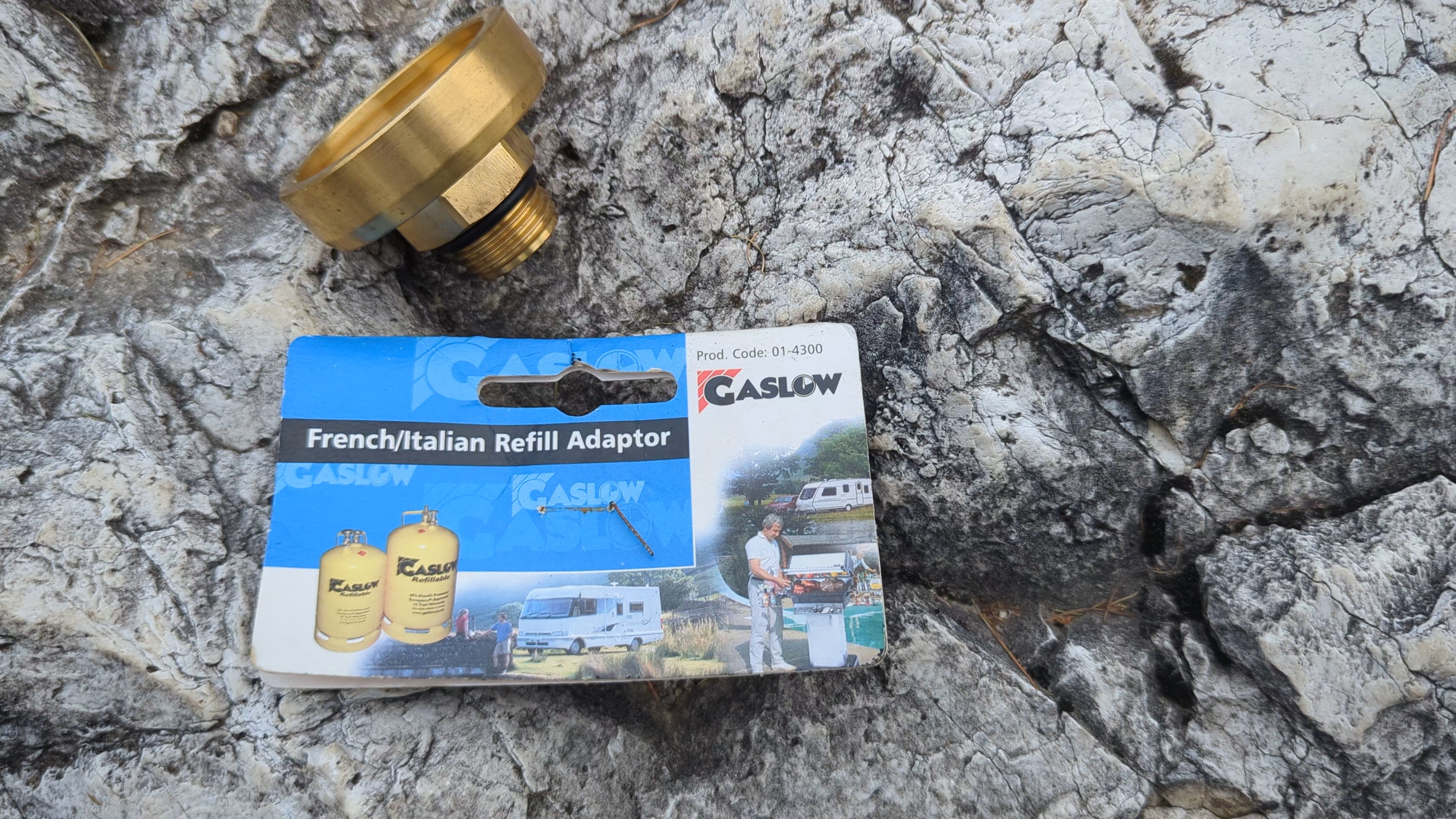
There are bottle-exchange schemes in France at petrol stations; however, they are NOT the typical brands you’d find in the UK, like Calor. I did read that you can hire a gas bottle in France and return the bottle to the petrol station, but I have not verified that this is the case.
FAQs about taking a campervan to France
Should I take my campervan to France?
Simple answer: yes! France is an incredibly campervan-friendly environment, and it is a great way to ease yourself into van life abroad. France has embraced campervans and is therefore ready for you to visit too. You will undoubtedly have a brilliant time.
Do I need to stay on campsites?
Not if you don’t want to. France has a lot of aires, which are designated campervan locations; some are free and some are paid. They often have fresh-water, grey-water and black-water facilities. Additionally, there are areas where you can park overnight. Just remember to check the local rules, be respectful and always follow the Leave No Trace principles.
What is Leave No Trace?
Leave No Trace is the number-one rule everyone must follow and is key to the relationship between campervans and others, including local residents and other campers. There are seven principles of Leave No Trace, which are:
- Plan Ahead and Prepare
- Travel and Camp on Durable Surfaces
- Dispose of Waste Properly
- Leave What You Find
- Minimize Campfire Impacts
- Respect Wildlife
- Be Considerate of Other Visitors
By following these rules, we can all continue to enjoy nature!
Was finding fresh water easy in France?
Yes. As France is very well equipped for motorhomes, we had no issues with this, especially in the Alps, where natural water taps are everywhere.
Is May a good time to visit the French Alps?
May is a lovely time to visit the French Alps if you like hiking, climbing or via ferratas. It is incredibly quiet, the wildflowers are starting to bloom, there is still a little bit of snow around and it is not too hot! If you like more activity in towns, you may wish to wait until June, as a lot of the tourist shops and bars are still shut.
Final Thoughts on Taking your Campervan to France for the First Time
France is an incredible place to take your campervan. It has wonderful scenery, amazing food and is incredibly well equipped for campervans. It was the first country outside of Great Britain that we took our campervan to, and it was a great introduction to van life in Europe! I hope the details above have given you enough information to feel confident on your trip!